NADH has been available as a dietary supplement worldwide for over three decades. Many people consider NADH for persistent fatigue, low energy, brain fog, or sleep disruption related to jet lag and shift work. Others use it to support physical performance during exercise. A common question among new users is whether supplement side effects are a concern with long-term use.
Clinical studies have explored NADH’s potential role in supporting neurological health. Research has investigated its effects on symptoms associated with Alzheimer’s disease, Parkinson’s disease, and depression, though these studies remain exploratory and do not establish NADH as a treatment for any condition.
Early understanding of NADH centered on three functions: promoting cellular energy production, providing antioxidant support, and modulating neurotransmitter activity. As aging research has advanced, the scientific view of NADH has expanded considerably.
NAD+ is now recognized as a key regulator of aging. It participates in DNA repair, mitochondrial maintenance, circadian rhythm regulation, and epigenetic modulation. NAD+ levels decline with age, which is considered a contributing factor to age-related physiological changes and the increased prevalence of age-associated health concerns.
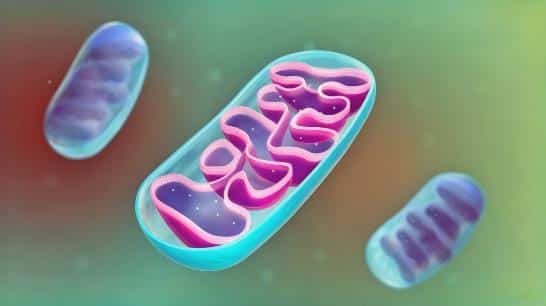
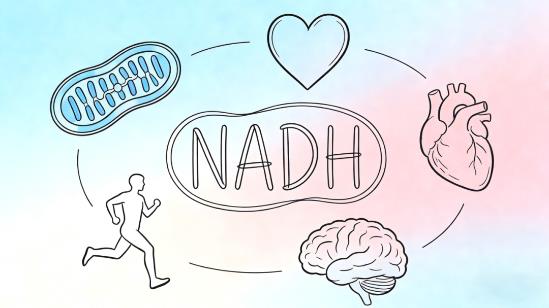
NADH is the reduced form of NAD+. It can function independently as an antioxidant and cellular energy facilitator, and it can also convert to NAD+ through enzymatic reactions, helping to replenish the body’s NAD+ pool. This dual mechanism has expanded NADH’s recognition beyond a single-purpose energy supplement to a compound with broader relevance to cellular health and longevity research.
A Research History Worth Exploring
NADH has a clinical research history extending back to the 1990s. For readers exploring NADH today, that published work provides a useful starting point for asking informed questions about the ingredient and the products available.
In a randomized, double-blind crossover pilot trial published in 1999, 26 people with chronic fatigue syndrome received a stabilized oral NADH preparation during four-week treatment periods. The researchers reported no severe adverse effects attributed to the study drug. This was a small, short-term study of a specific preparation, not a long-term safety guarantee or a clinical trial of CELFULL products. Read the original study.
Make Your NADH Choice a Clear One
Once NADH has your attention, the next step is choosing a product—not simply an ingredient name. Tablet format, ingredients, delivery information and pack size all help you understand what you are buying.
Take a closer look at CELFULL NADH in the official store. Explore the product details and ingredient-delivery information, then compare the presentations that match your purchasing preferences.
- Compare tablet counts: view the 10-, 30- and 60-tablet-per-box options.
- Compare box quantities: explore 30-tablet boxes with 1-, 2-, 3- and 6-box options.
Check the product pages for current availability, full ingredient information and label directions before making your selection.
Your Next Step With CELFULL NADH
Explore the research. Find your format. Discover CELFULL NADH.
Ready to take a closer look? Start with the official product details and compare your purchase options in one place.
Explore CELFULL NADH tablet options →
Prefer 30-tablet boxes? View multi-box options →
A Brief Note on Informed Use
Discuss a supplement’s suitability with a qualified healthcare professional and follow its label directions. If you suspect an adverse reaction, discontinue use and seek medical advice. Supplements should not replace prescribed treatment. See the FDA’s consumer guidance.
Evidence note: FDA adverse-event report counts cannot establish side-effect rates or show that one ingredient is safer than another. This article does not use those counts to rank NADH against NMN, NR or NAD+ products.
References
U.S. Food and Drug Administration. Center for Food Safety and Applied Nutrition Adverse Event Reporting System (CAERS). Available at: https://open.fda.gov/data/caers