NAD+ anticancer vs oncogenic is one of the most debated questions in metabolic health research. Is NAD+ a cancer promoter or a tumor suppressor? This hotly debated question has sparked widespread confusion among consumers. As the core coenzyme driving all cellular energy metabolism, NAD+ governs mitochondrial ATP synthesis, DNA damage repair, and systemic immune regulation. Its metabolic role is comparable to a universal power grid—much like regular food and glucose, it delivers basal energy to every cell in the human body, without inherent bias toward malignant tumor proliferation.
Claims that NAD+ is oncogenic simply because all dividing cells require energy are scientifically flawed. By that logic, doctors would advise cancer patients to stop eating entirely, which contradicts standard clinical nutrition guidelines. This one-sided argument ignores massive peer-reviewed evidence proving elevated NAD+ exerts robust anti-tumor effects via multiple immune and molecular pathways. Mounting authoritative research confirms NAD+ strengthens anti-cancer defenses and actively inhibits tumor progression.
NAD+ anticancer vs oncogenic: 3 Core Mechanisms That Prove NAD+ Fights Tumors
1. NAD+ Supercharges Anti-Tumor Immune Cell Function
1.1 Boost Tumor-Killing T Cell Activity (Cell Reports, 2021)
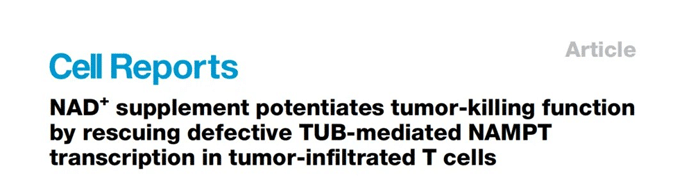
An August 2021 study published in Cell Reports, a Cell Press sub-journal, titled NAD+ supplement potentiates tumor-killing function by rescuing defective TUB-mediated NAMPT transcription in tumor-infiltrated T cells, delivered landmark evidence supporting the NAD+ anticancer side of the NAD+ anticancer vs oncogenic debate.
T cells act as the immune system’s precision strike force, tasked with locating and eliminating malignant cells. Tumor microenvironments often deplete local NAD+ pools, crippling T cell metabolic activity and blunting their anti-cancer potency. NAD+ supplementation restores intracellular NAD+ levels, reviving T cell metabolic fitness, sharpening their tumor recognition ability, and drastically amplifying their cytotoxic effects. This makes NAD+ a powerful adjuvant to boost immunotherapy response rates.
1.2 Elevate NK Cell Cytotoxicity Across All Age Groups (Biomedical Research, 2021)
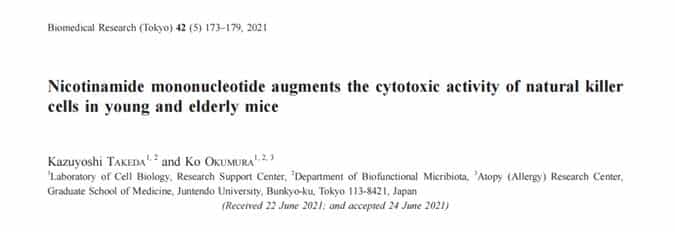
That same year, Japanese research validated NAD+ benefits for natural killer (NK) cells—the body’s first line of innate immune defense, which eliminates tumor cells without prior antigen sensitization. The paper Nicotinamide mononucleotide augments the cytotoxic activity of natural killer cells in young and elderly mice confirmed NAD+ supplementation drastically raises NK cells’ capacity to clear abnormal cancer cells, regardless of age. Higher NAD+ sustains NK cell energy supply, enabling faster detection and clearance of early-stage tumor lesions to block malignant outgrowth, further settling the NAD+ anticancer vs oncogenic argument.
1.3 Optimize NK Cell Mitochondrial Metabolism for Anti-Tumor Immunity (Hepatology, 2022)
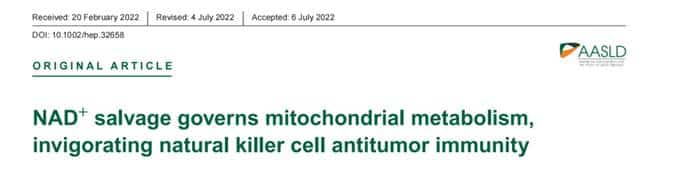
A joint Sino-Japanese research team published breakthrough findings in top gastroenterology journal Hepatology in July 2022: NAD+ salvage governs mitochondrial metabolism, invigorating natural killer cell antitumor immunity.
The research verified that replenishing NAD+ rewires NK cell mitochondrial metabolism to sustain sustained anti-tumor activity. This discovery established NAD+ as a viable intervention to enhance NK cell-based cancer therapies, opening a new research direction for immune-targeted anti-cancer treatments and laying robust preclinical groundwork to back the NAD+ anticancer stance in the NAD+ anticancer vs oncogenic discussion.
2. NAD+ Suppresses Tumor Growth & Blocks Metastasis, Extending Survival
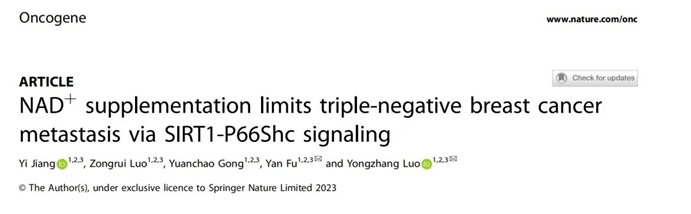
A 2023 Tsinghua University study released in Oncogene focused on triple-negative breast cancer, an aggressive, hard-to-treat cancer subtype with poor long-term prognosis. The paper NAD+ supplementation limits triple-negative breast cancer metastasis via SIRT1-P66Shc signaling revealed that sustained elevated NAD+ activates the SIRT1-P66Shc molecular pathway to slow primary tumor expansion and halt distant cancer metastasis. Beyond restraining tumor progression, consistent NAD+ supplementation significantly improves overall survival outcomes for affected subjects, offering a promising auxiliary intervention for hard-to-treat breast malignancies and reinforcing the NAD+ anticancer side of the NAD+ anticancer vs oncogenic debate.
3. NAD+ Halts Immune Cell Senescence to Lower Tumor Initiation Risk
Cellular immune senescence is a major upstream driver of tumor formation. Senescent macrophages, NK cells and T cells lose their ability to identify and eliminate mutated precancerous cells, creating a permissive environment for tumor onset and expansion.
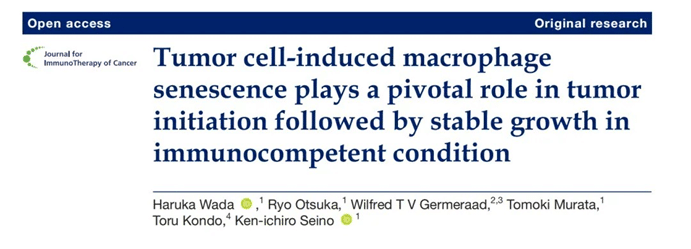
A November 2023 study from Hokkaido University in Japan, published in Journal for Immunotherapy of Cancer, titled Tumor cell-induced macrophage senescence plays a pivotal role in tumor initiation followed by stable growth in immunocompetent condition, demonstrated NAD+’s potent anti-senescence effects.
NAD+ replenishment reverses tumor-triggered senescence across all key immune cell populations: it restores macrophage homeostatic function, rejuvenates exhausted NK and T cells, and revitalizes the body’s full anti-tumor immune surveillance network. By delaying immune aging, NAD+ lowers baseline tumor incidence and prolongs survival rates in tumor-bearing models, resolving confusion around NAD+ anticancer vs oncogenic claims.
Conclusion
NAD+ is not a cancer accomplice—it is a critical ally of the human anti-tumor immune system. The misguided claim that NAD+ fuels cancer ignores fundamental metabolic logic and contradicts decades of high-impact clinical and preclinical studies. Rather than selectively feeding malignant cells, sufficient NAD+ empowers immune defenses, suppresses tumor proliferation and metastasis, and slows immune senescence to reduce overall cancer risk. All peer-reviewed data leans firmly to the NAD+ anticancer side of the NAD+ anticancer vs oncogenic debate.
References
- Wang Y, Wang F, Wang L, et al. NAD+ supplement potentiates tumor-killing function by rescuing defective TUB-mediated NAMPT transcription in tumor-infiltrated T cells[J]. Cell Reports, 2021, 36(6):109516. https://doi.org/10.1016/j.celrep.2021.109516
- Takeda K, Okumura K. Nicotinamide mononucleotide augments the cytotoxic activity of natural killer cells in young and elderly mice[J]. Biomedical Research, 2021, 42(5):173-179. https://doi.org/10.2220/biomedres.42.173
- Guo X, Tan S, Wang T, et al. NAD+ salvage governs mitochondrial metabolism, invigorating natural killer cell antitumor immunity[J]. Hepatology, 2022, 78(2):468-485. https://doi.org/10.1002/hep.32658
- Wada H, Otsuka R, Germeraad WTV, et al. Tumor cell-induced macrophage senescence plays a pivotal role in tumor initiation followed by stable growth in immunocompetent condition[J]. J Immunother Cancer, 2023, 11(11):e006677. https://doi.org/10.1136/jitc-2023-006677